Breaking Myths: Glass Is Not Just Fragile – Understanding Glass Durability


Understanding Glass: More Than Meets the Eye
When most people think of glass, they often envision fragile windows or delicate drinkware. This perception has led to the widespread belief that glass is inherently fragile. However, this is a myth that deserves to be debunked. Glass, in many forms, is incredibly durable and versatile, serving numerous applications beyond what is commonly imagined.
In today's world, glass is not just a material for making windows; it is a crucial component in various industries, including construction, automotive, and technology. Its durability is continually being improved through innovations in production and material science.
The Science Behind Glass Durability
Glass is primarily composed of silica, a component derived from sand. When subjected to high temperatures, silica transforms into a non-crystalline solid, giving glass its unique properties. The strength of glass can be significantly enhanced through processes such as tempering and lamination.
Tempered glass is created by rapidly cooling heated glass, which increases its tensile strength and makes it more resistant to impact. This type of glass is commonly used in automobile windows and shower doors.
Laminated Glass: A Safety Innovation
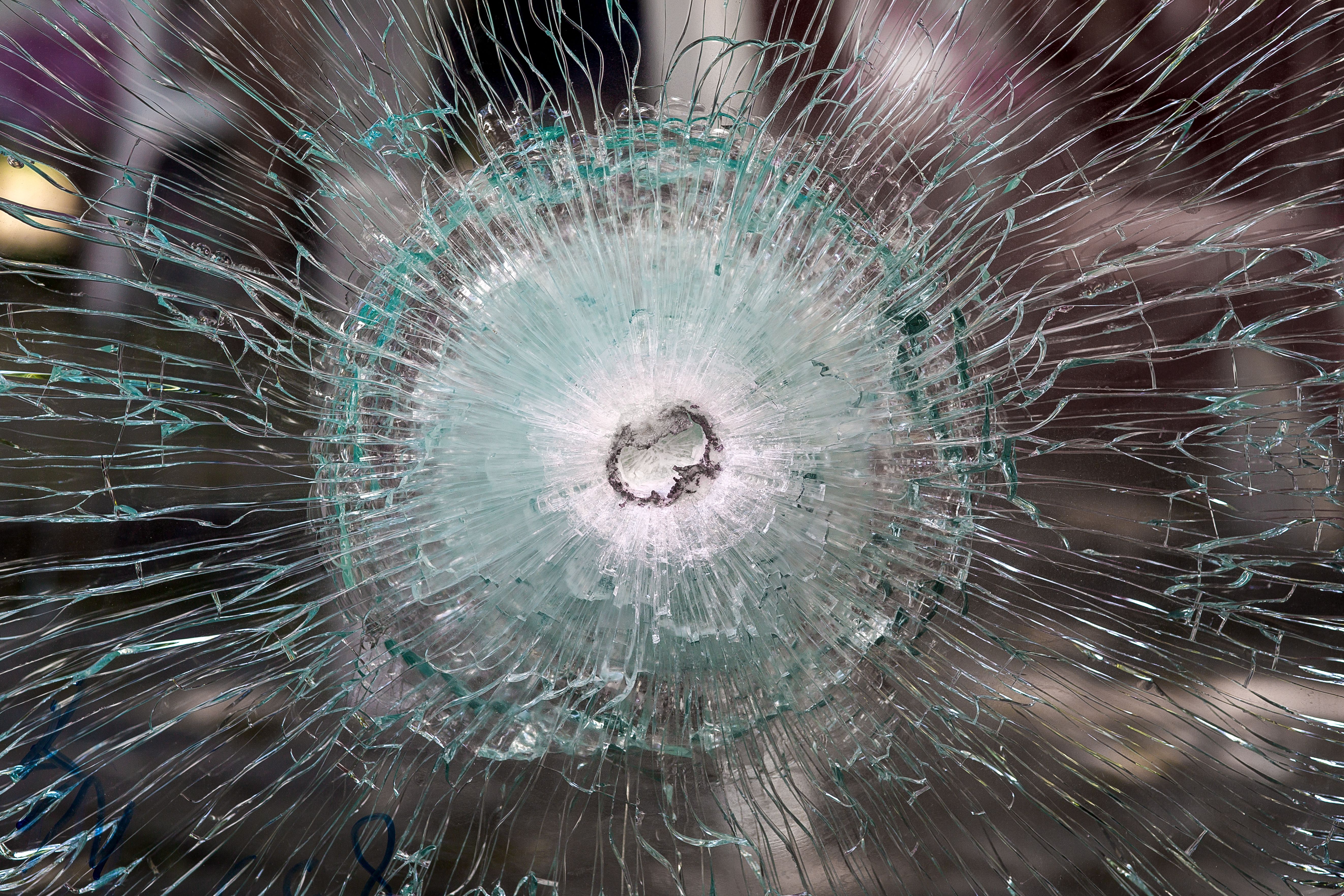
Laminated glass consists of two or more layers of glass bonded with an interlayer, typically made of polyvinyl butyral (PVB). This construction offers enhanced durability and safety. In the event of breakage, the interlayer holds the shards together, preventing injury from sharp fragments.
This type of glass is widely used in car windshields and architectural applications where safety and security are paramount. Its ability to withstand impact and maintain structural integrity makes it an ideal choice for areas prone to natural disasters like hurricanes.
Breaking the Fragility Myth
The misconception of glass as a fragile material has been perpetuated by its historical uses. However, modern advancements have transformed glass into a robust material capable of withstanding substantial wear and tear.
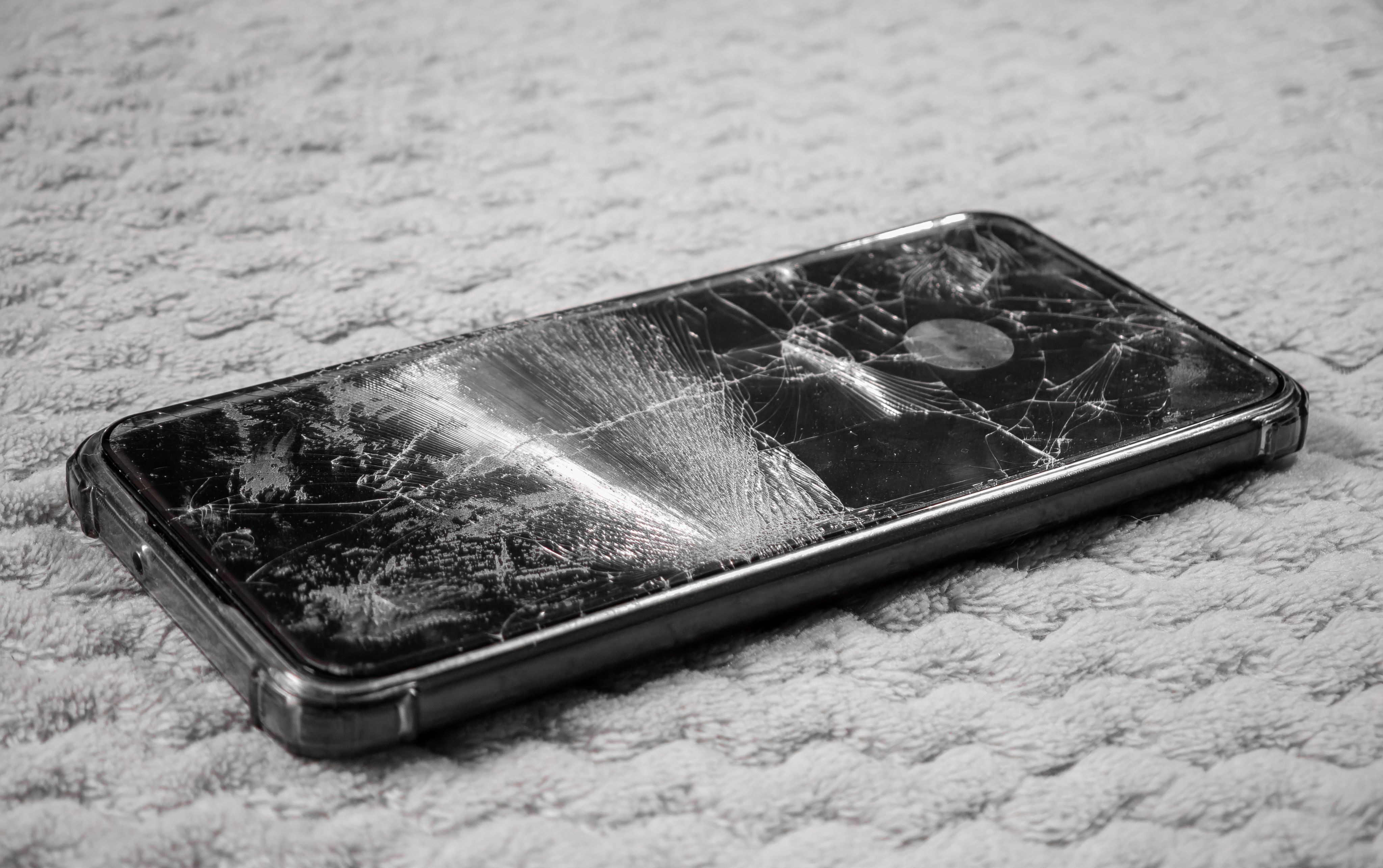
Today, engineered glass varieties, such as Gorilla Glass used in smartphones and bulletproof glass, showcase the remarkable resilience of this material. These innovations highlight how far glass technology has come, challenging the outdated notion of its fragility.
Applications Beyond Tradition
The versatility of glass extends beyond traditional uses. In the realm of architecture, glass facades not only enhance aesthetic appeal but also contribute to energy efficiency through thermal insulation properties. Technological advancements have also made it possible for smart glass to change its opacity on demand, offering privacy and light control.
In the medical field, biocompatible glass is used for implants and drug delivery systems, showcasing its potential in advancing healthcare solutions. These examples underscore the adaptability and strength of glass in various sectors.
Conclusion: Embracing Glass Innovation
In conclusion, the perception of glass as merely a fragile substance is outdated. The continuous evolution of glass technologies has unveiled its potential as a durable and versatile material suitable for a wide range of applications. From everyday items to cutting-edge innovations, glass continues to surprise us with its resilience and utility.
As we move forward into a future filled with technological marvels, it’s important to appreciate and embrace the advancements that redefine our understanding of materials like glass. By doing so, we can continue to unlock new possibilities and applications that benefit society as a whole.