Expert Tips for Choosing the Right Glass Design for Your Space


Understanding Your Space Requirements
Choosing the right glass design begins with understanding the specific needs of your space. Whether you're redesigning a residential area or a commercial setting, the choice of glass can dramatically alter the ambiance and functionality of a room. Consider the purpose of the room and how glass can complement or enhance that purpose.
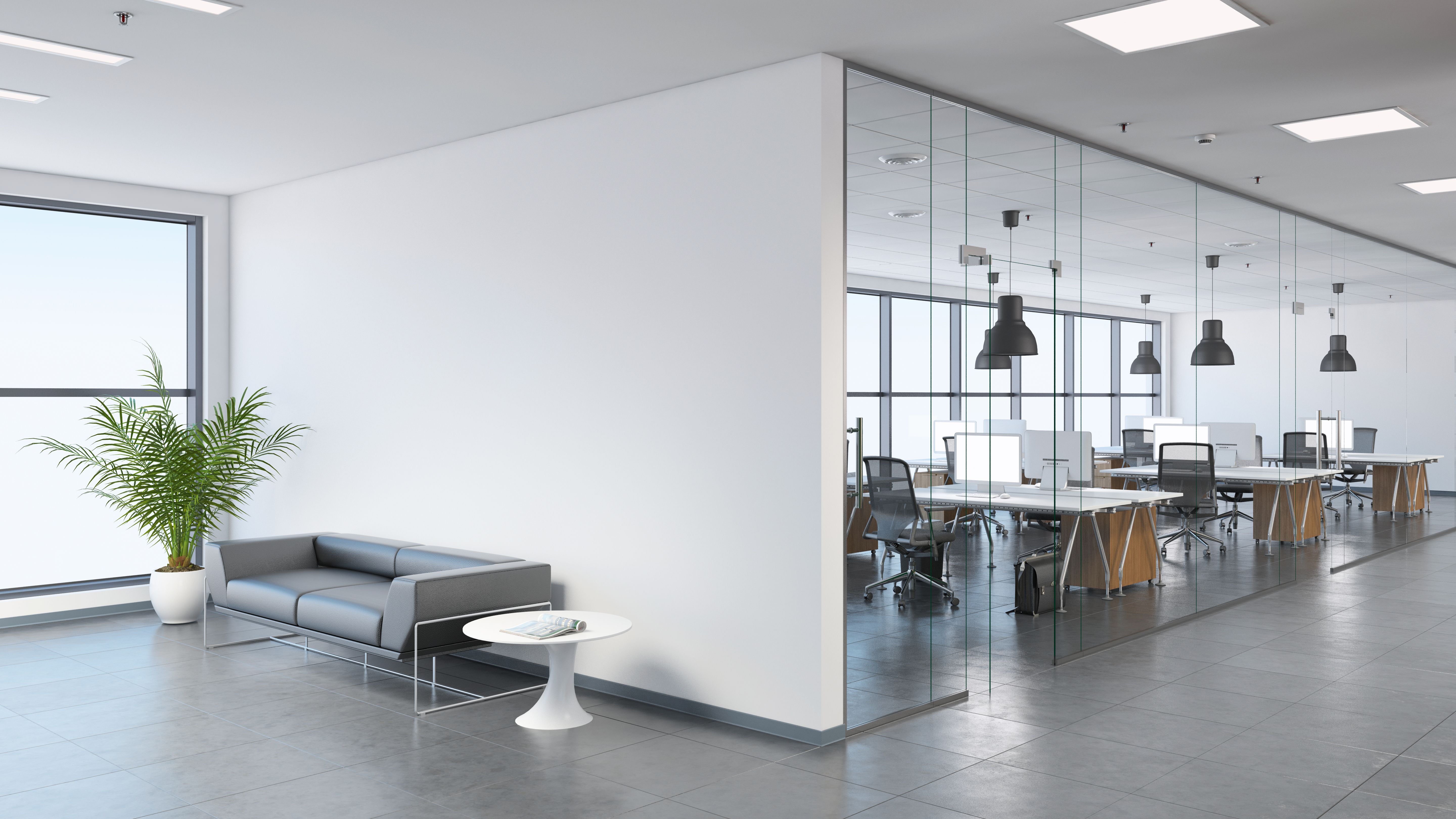
For instance, in a small office, using glass walls can create an illusion of space and openness. In contrast, a residential living room might benefit from decorative glass panels that add a touch of elegance and privacy.
Exploring Different Glass Types
Glass comes in various types, each with its unique properties. Familiarize yourself with these options to make an informed decision. Some popular types include:
- Tempered Glass: Known for its strength and safety, ideal for areas with high traffic.
- Laminated Glass: Offers soundproofing benefits and is great for exterior windows.
- Frosted Glass: Provides privacy while allowing light to pass through, perfect for bathrooms.
Understanding the strengths and weaknesses of each type will help you select the best option for your needs.
Considering Style and Aesthetics
Glass design is not just about functionality; it's also about style. The aesthetic appeal of glass can significantly impact the overall look and feel of your space. Consider whether you want a modern, sleek look or something more traditional and ornate.

Design elements like color, texture, and pattern should align with the overall theme of your space. For instance, colored glass can add vibrancy, while etched or patterned glass can introduce subtle elegance.
Balancing Light and Privacy
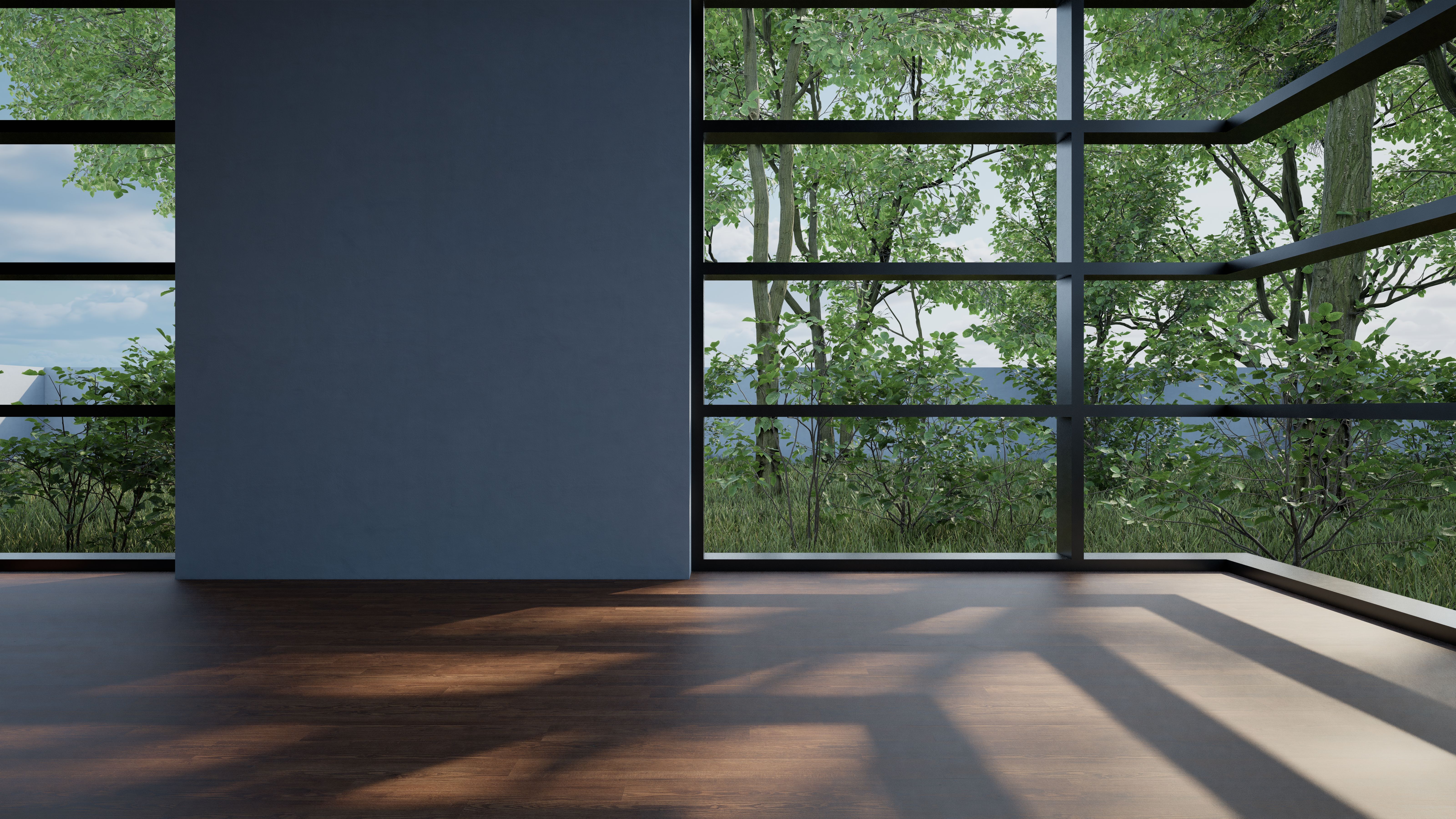
One of the primary uses of glass in any space is to manage light and privacy. If a room requires more natural light, opting for clear or lightly tinted glass can be beneficial. However, if privacy is a concern, frosted or tinted glass might be more appropriate.
Consider the direction of sunlight and how it moves throughout the day. This will help you decide on the level of transparency that suits your space best.
Consulting with Experts
While personal preference plays a significant role in choosing glass design, consulting with experts can provide valuable insights. Professionals can offer guidance on the latest trends, materials, and technologies that you may not be aware of.
They can also help you address practical concerns such as installation challenges, maintenance requirements, and cost considerations. This ensures that you make a choice that is both aesthetically pleasing and financially viable.
Making Environmentally Conscious Choices
Finally, consider the environmental impact of your glass choices. Many manufacturers now offer eco-friendly options that minimize energy consumption and reduce carbon footprints. Look for glass products that are energy-efficient or made from recycled materials.
By choosing sustainable options, you contribute to a healthier environment while potentially reducing energy costs in your home or office.