Expert Tips on Integrating Glass Designs into Modern Architecture


Integrating glass designs into modern architecture has become increasingly popular, offering a blend of aesthetics, functionality, and sustainability. The transparency and versatility of glass make it an ideal material for contemporary structures. Here, we explore expert tips on how to seamlessly incorporate glass into your architectural projects.
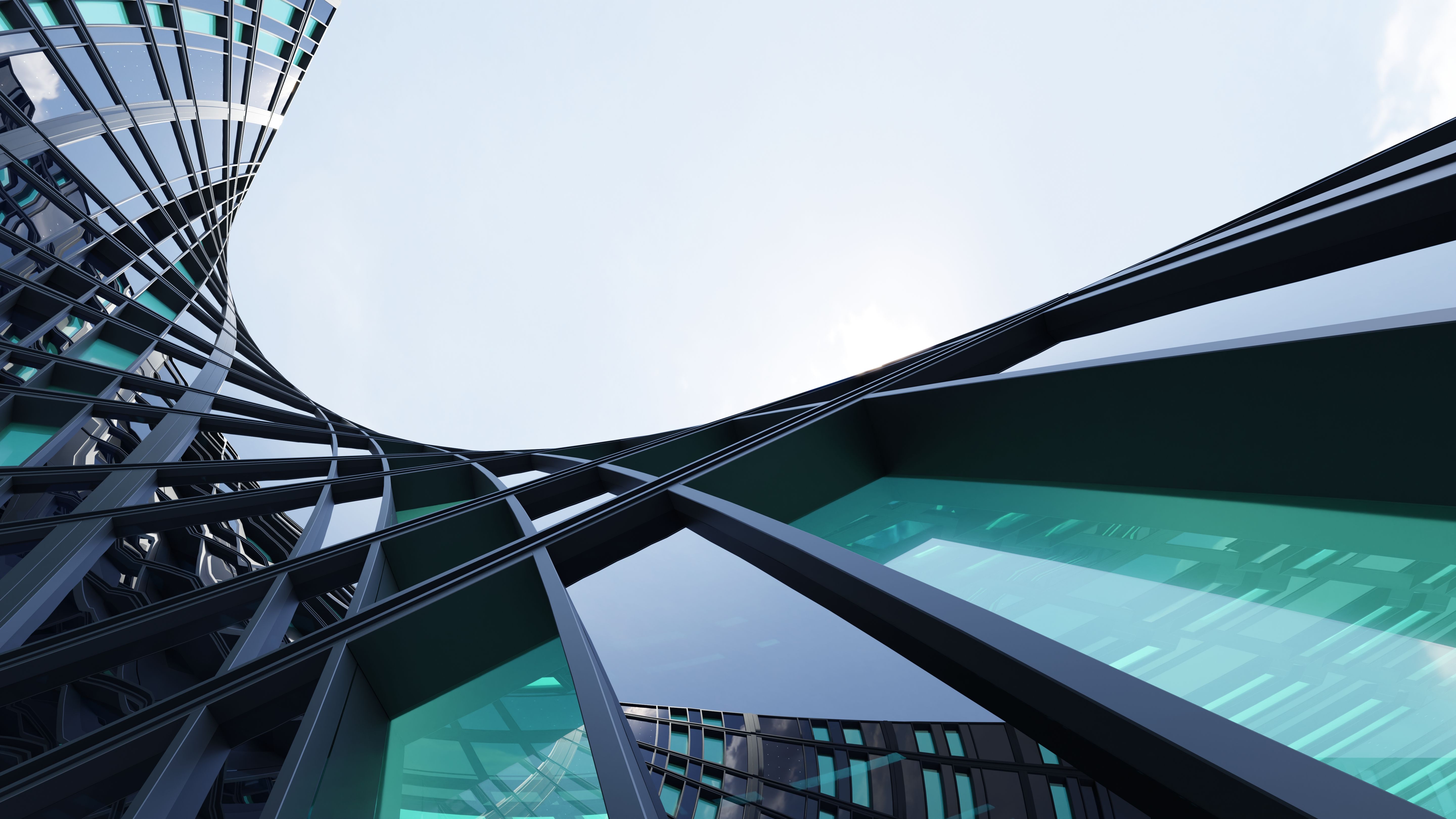
Understanding the Benefits of Glass in Architecture
One of the primary benefits of using glass in architecture is its ability to allow natural light to flood interior spaces. This not only reduces the need for artificial lighting but also creates a connection between the indoor and outdoor environments. Glass can also enhance the energy efficiency of a building when used in conjunction with the latest glazing technologies.
Furthermore, glass offers a sleek and modern aesthetic that can be customized in various ways. From frosted and tinted options to etched designs, glass can be tailored to meet the specific needs and style of any project.
Choosing the Right Type of Glass
Selecting the appropriate type of glass is crucial for achieving the desired outcome in your architectural design. Consider factors such as thermal performance, acoustics, and security. Low-E glass, for instance, is excellent for improving energy efficiency, while laminated glass can enhance soundproofing and safety.

Incorporating Glass in Different Architectural Elements
Glass can be integrated into various architectural elements, from facades to interior partitions. When designing a glass facade, consider using double or triple glazing to improve insulation. For interior spaces, glass partitions can create an open, airy atmosphere without sacrificing privacy.
Skylights and glass roofs are also popular choices, adding a dramatic effect to any building. These elements not only brighten the space but also offer unique design opportunities.
Balancing Aesthetics and Functionality
While glass offers numerous aesthetic benefits, it is essential to balance these with functionality. Strategic placement of glass elements can enhance views, improve energy efficiency, and ensure privacy where needed. Collaborate with engineers and designers to optimize both form and function.
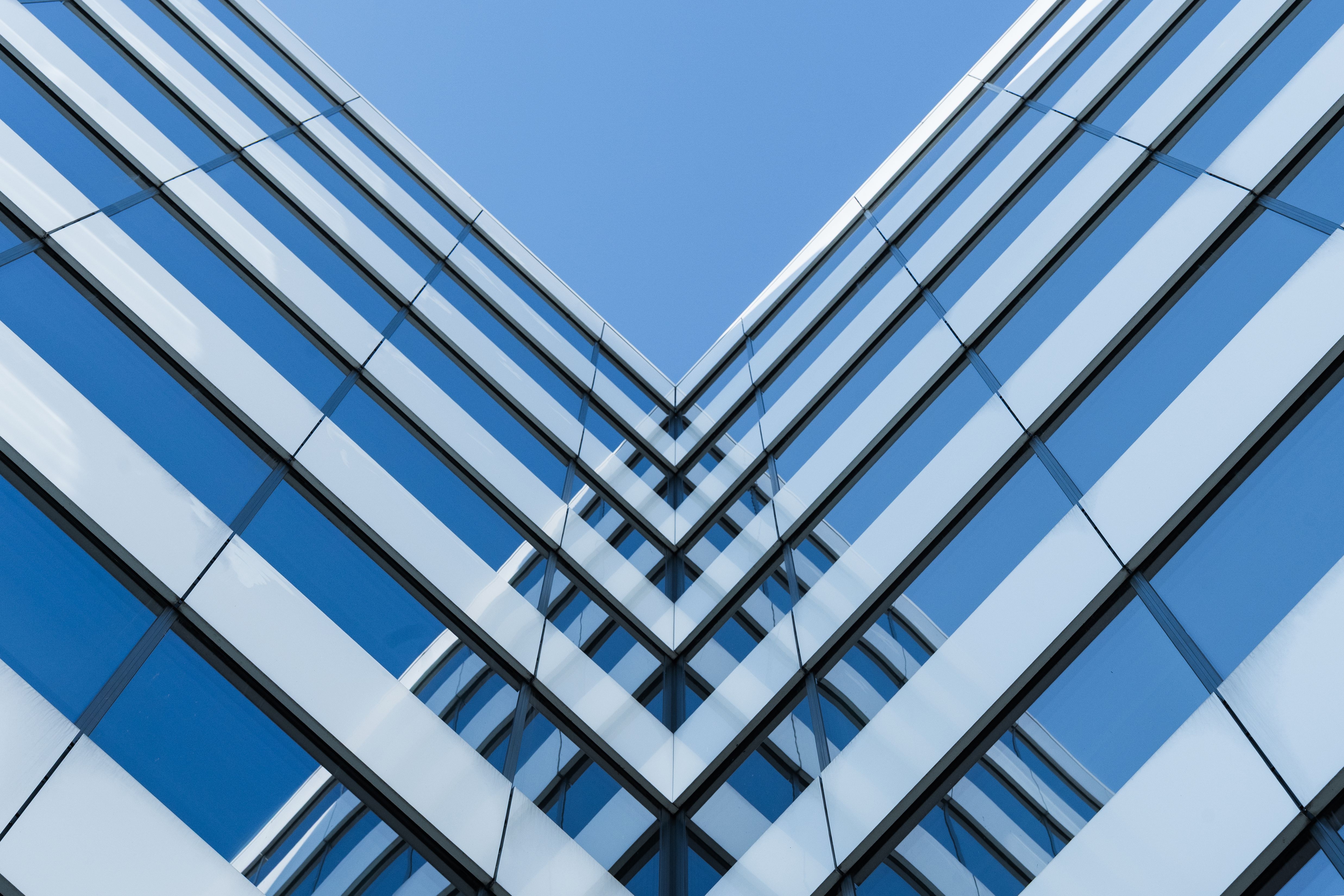
Leveraging Advanced Technologies
Modern advancements in glass technology have expanded the possibilities for its use in architecture. Smart glass, for example, can change its properties based on environmental conditions, offering dynamic control over light and heat. Additionally, photovoltaic glass can generate energy, contributing to a building's sustainability.
These technologies not only enhance the performance of glass but also open up innovative design possibilities that were previously unimaginable.
Ensuring Sustainability with Glass Designs
Sustainability is a key consideration in modern architecture, and glass can play a significant role in achieving eco-friendly designs. By incorporating energy-efficient glazing and utilizing natural light, architects can reduce a building's carbon footprint. Consider using recycled glass materials to further enhance sustainability efforts.
In conclusion, integrating glass designs into modern architecture requires careful consideration of aesthetics, functionality, and sustainability. By understanding the various glass options and technologies available, architects can create stunning, efficient, and environmentally responsible structures.