How to Choose Between Glass and Traditional Railings


Understanding the Basics
When it comes to choosing railings for your home or business, two popular options often come to mind: glass railings and traditional railings. Each type brings its own set of advantages and considerations, making the decision an important one for both aesthetics and functionality. Understanding the basics of each option is crucial before diving into the specifics.
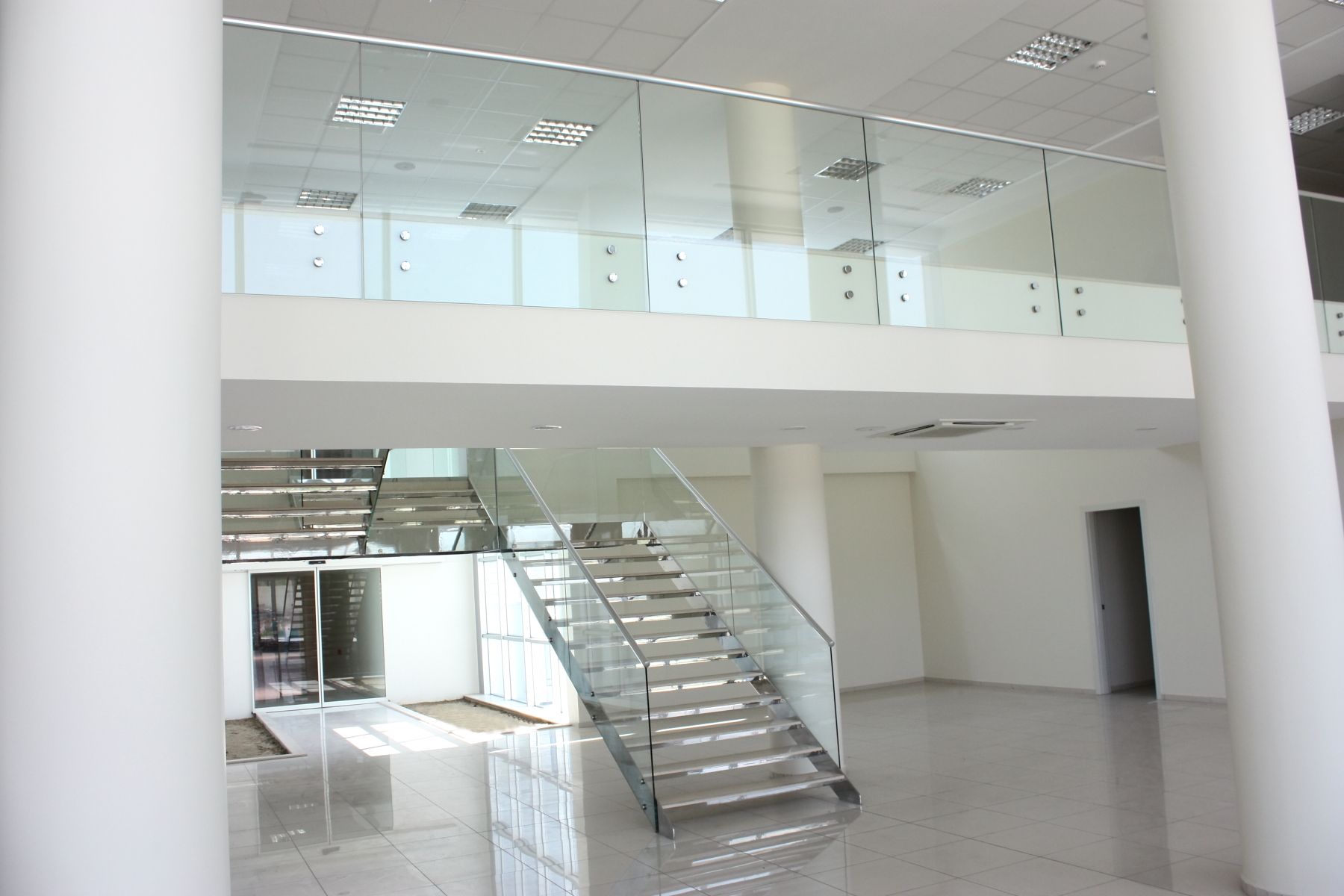
Glass railings are known for their modern appearance and ability to enhance views. They offer a sleek, minimalistic look that suits contemporary design styles. On the other hand, traditional railings, which include materials like wood or wrought iron, provide a classic and timeless feel. These railings are often chosen for their durability and the character they add to a space.
Considering Aesthetic Appeal
The visual impact of your railing choice cannot be overstated. Glass railings are perfect if you desire an unobstructed view, allowing natural light to flow freely through the space. This can make areas feel larger and more open. Moreover, glass railings can complement a variety of design aesthetics due to their neutral appearance.
Contrastingly, traditional railings often feature intricate designs and can be tailored with different finishes or colors to match the existing décor of your space. They can add a sense of warmth and charm that glass railings might not provide.

Evaluating Functionality and Safety
Functionality and safety are paramount when selecting a railing type. Glass railings, while visually appealing, require regular cleaning to maintain their transparency and shine. They are generally made from tempered or laminated glass, which is highly durable and designed to withstand impacts.
Traditional railings, made from materials like wood or metal, are often considered more robust. They may require less maintenance compared to glass but can be prone to wear over time if not treated properly. Ensuring that your choice meets local building codes and safety standards is essential for both options.
Maintenance Requirements
Another factor to consider is the maintenance involved with each type of railing. Glass railings necessitate regular cleaning to prevent fingerprints, smudges, and weather-related grime from building up. This might be a consideration if you're seeking low-maintenance solutions.

Traditional railings may need occasional painting or staining to keep them looking fresh and protected from the elements. However, they generally do not require the frequent cleaning that glass railings do, making them a convenient option for some homeowners.
Cost Considerations
The cost is a significant factor in any home improvement decision. Glass railings tend to be on the pricier side due to the materials and installation techniques involved. The long-term benefits of increased light and aesthetic appeal might justify this investment for some.
Traditional railings can vary in cost depending on the material chosen. Wood may be less expensive initially compared to wrought iron or other metals, but long-term maintenance costs should also be considered in your decision-making process.
Making Your Decision
When choosing between glass and traditional railings, it's important to weigh all these factors against your personal preferences and project requirements. Consider what aligns best with your aesthetic goals, maintenance willingness, safety needs, and budget. Consulting with professionals can also provide valuable insights tailored to your specific situation.
Ultimately, whether you opt for the modern elegance of glass or the classic charm of traditional railings, ensuring that your choice enhances both the beauty and functionality of your space is key.