Myth-Busting: Common Misconceptions About Glass Installations

Understanding Glass Installations
Glass installations are a popular choice for modern architecture and interior design. However, there are numerous misconceptions surrounding their use and functionality. In this post, we aim to debunk some of these myths to provide a clearer understanding of glass installations.

Myth 1: Glass is Fragile
A common belief is that all glass is fragile and unsuitable for structural purposes. In reality, advances in glass technology have led to the development of tempered and laminated glass, which are incredibly strong and durable. These types of glass are designed to withstand significant impact and are often used in buildings, automobiles, and even spacecraft.
Tempered glass is treated with heat to increase its strength, while laminated glass consists of layers bonded together, providing extra security. As a result, glass is not only versatile but also reliable for various applications.
Myth 2: Glass Installations Are Not Energy Efficient
Many people assume that glass installations lead to higher energy consumption due to poor insulation. However, modern glass options, such as double-glazed and low-emissivity glass, are specifically designed to enhance energy efficiency. These glass types help maintain indoor temperatures by reducing heat transfer, ultimately lowering energy costs.
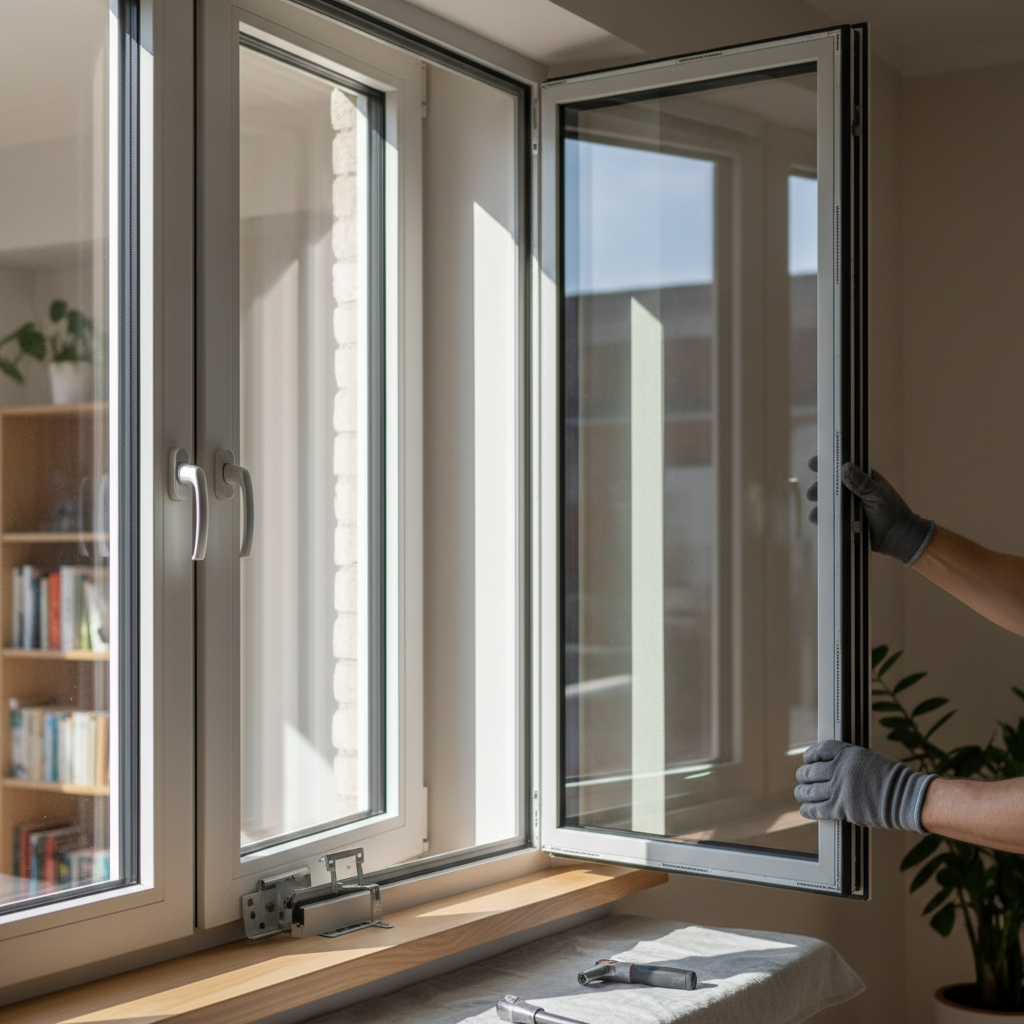
Furthermore, smart glass technology allows for adjustable light and heat transmission, offering even greater control over energy use. By choosing the right glass type, businesses and homeowners can enjoy both aesthetics and efficiency.
Myth 3: Glass Requires High Maintenance
Another misconception is that glass installations demand extensive upkeep. While it's true that glass surfaces can show dirt and smudges, they are generally easy to clean and maintain with regular care. Using proper cleaning solutions and techniques, glass can remain pristine without excessive effort.
Additionally, coatings such as anti-reflective or self-cleaning treatments can significantly reduce maintenance needs. These innovations make glass installations a practical and low-maintenance option.
Myth 4: Glass is Unsafe
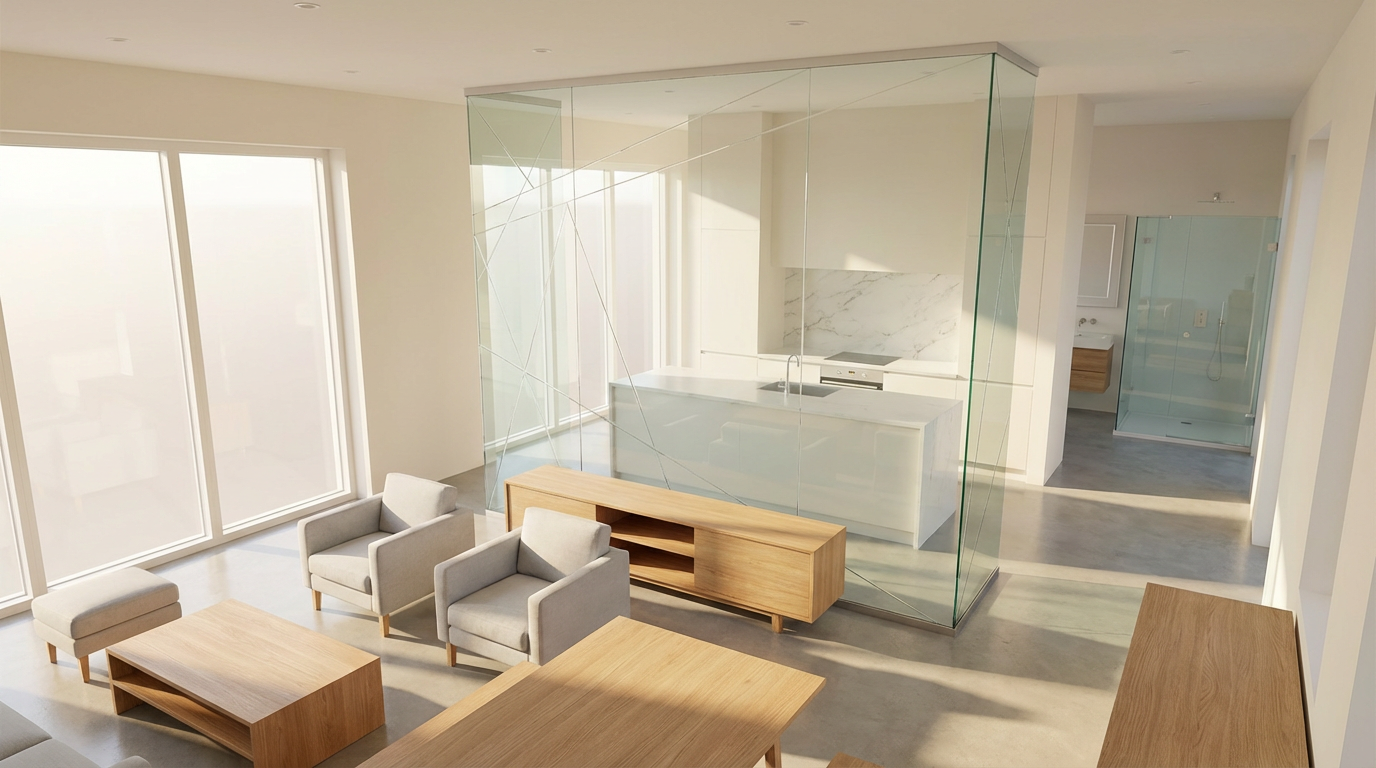
Concerns about safety often deter people from choosing glass installations. However, safety standards for glass have evolved considerably. Safety glass, which includes laminated and toughened varieties, is designed to minimize the risk of injury. In the event of breakage, it shatters into small, blunt pieces, reducing harm.
Moreover, glass installations often incorporate additional safety features like reinforced frames and secure fastenings, ensuring they meet stringent safety regulations.
Myth 5: Glass is Only for Aesthetics
While glass is undeniably beautiful, its functionality extends beyond aesthetics. Glass installations can enhance natural lighting, improve acoustics, and provide privacy with specialized treatments. Technologies like privacy glass can switch from opaque to transparent, offering flexibility and functionality.

Furthermore, glass can be used in various structural applications, such as load-bearing walls and floors, demonstrating its versatility and strength.
In conclusion, glass installations are much more than just a design statement. By understanding the capabilities and benefits of modern glass technologies, we can dispel these myths and appreciate glass for its true potential in architecture and design.