Myth-Busting: Common Misconceptions About Glass Safety and Durability


Understanding Glass Strength
When most people think of glass, they often imagine something fragile and easily breakable. However, this is a common misconception. Modern glass, used in construction and everyday items, is engineered for strength and resilience. Tempered glass, for example, is up to four times stronger than regular glass due to a special heating and cooling process.
Tempered glass is not only stronger but also safer. It shatters into small, blunt pieces rather than sharp shards, reducing the risk of injury. This makes it a popular choice for windows, doors, and even smartphone screens.
Debunking the Fragility Myth
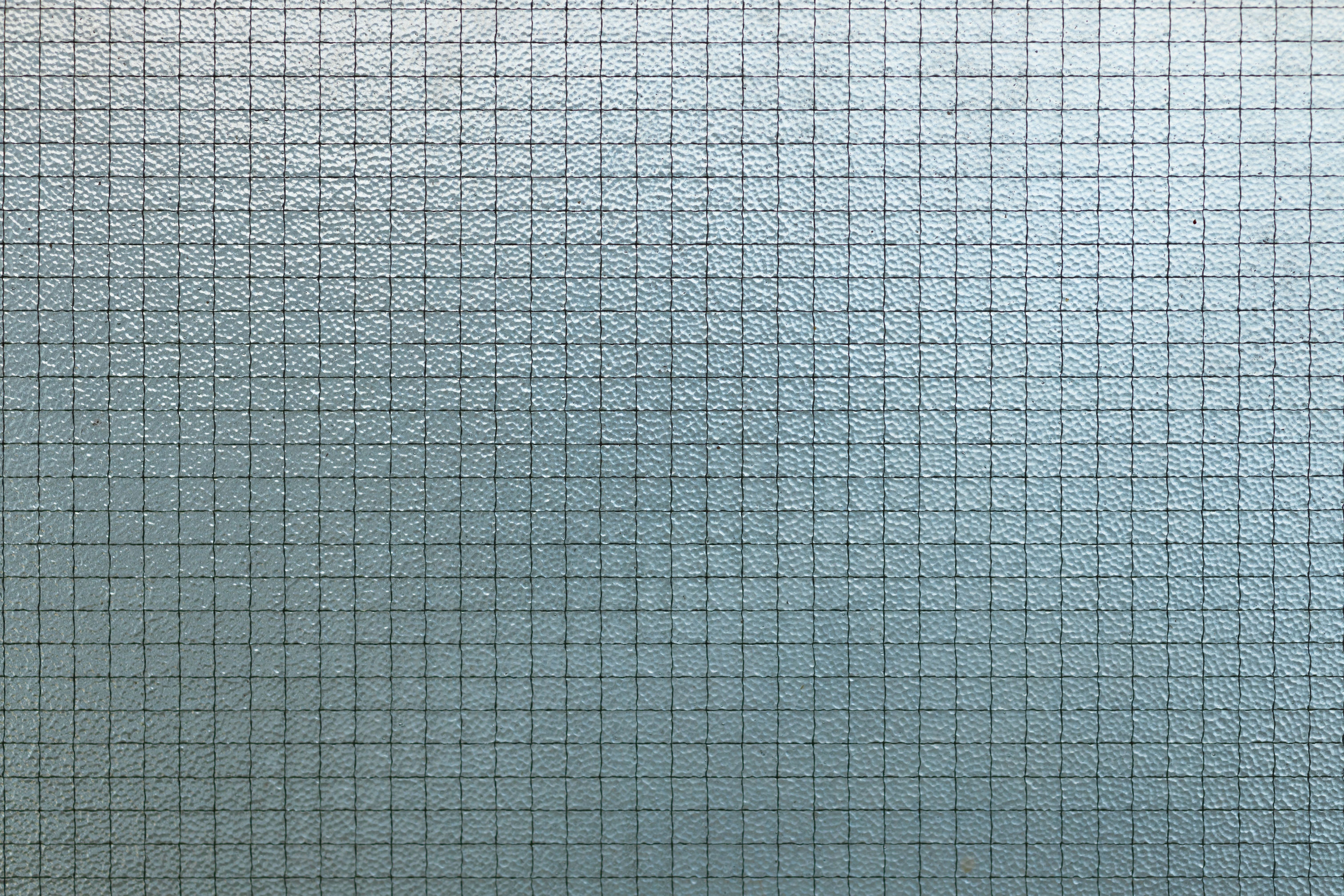
Another misconception is that all glass is equally fragile. In reality, there are various types of glass designed for different purposes, each with its own properties. Laminated glass is another example, commonly used in car windshields. It consists of multiple layers bonded together, enhancing its durability and impact resistance.
In the event of a collision, laminated glass holds together, preventing passengers from being ejected and reducing the likelihood of cuts. This type of glass is a testament to how far glass technology has advanced in terms of safety and durability.
Glass and Temperature Extremes
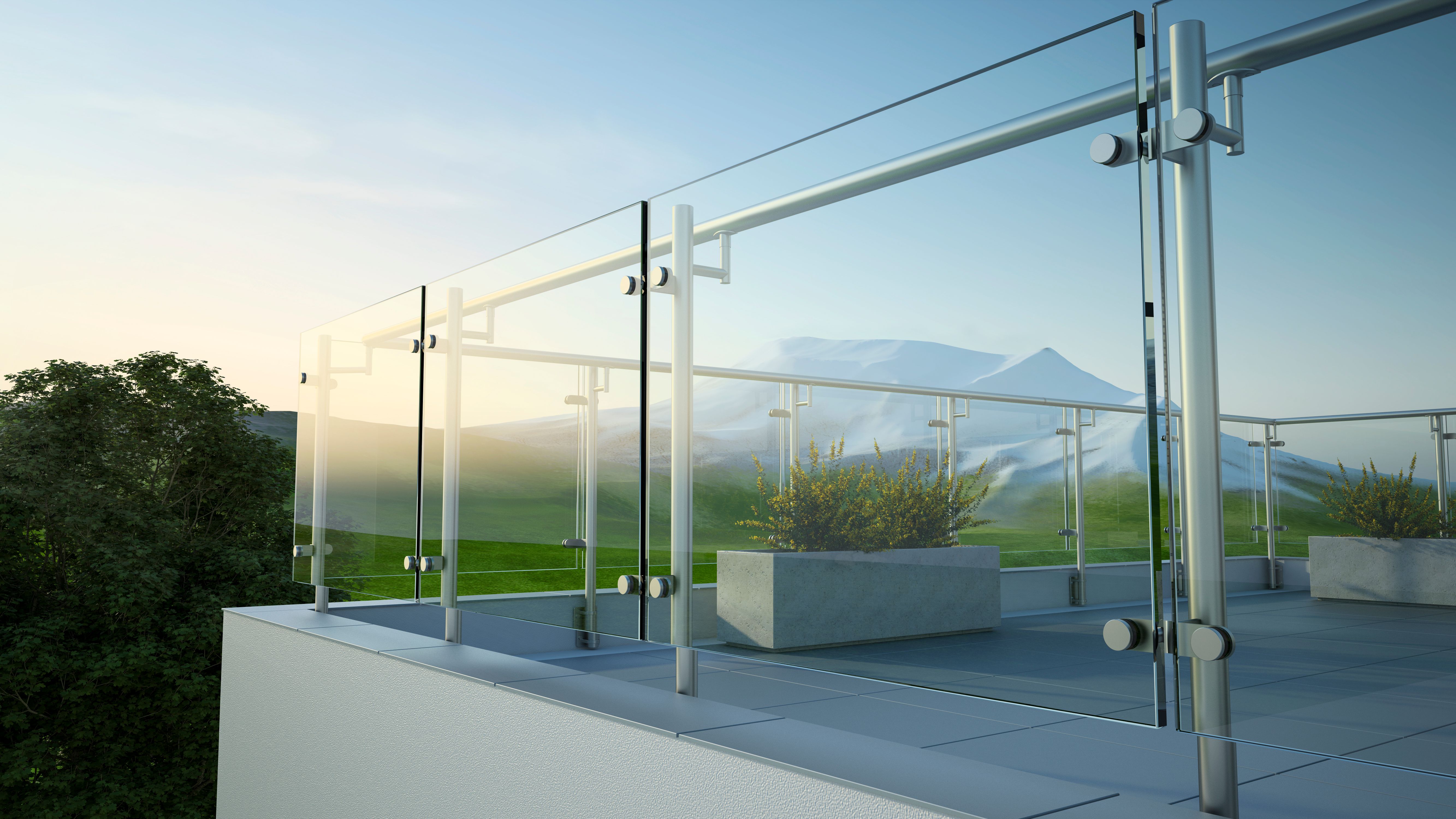
Many people believe that glass cannot withstand extreme temperatures. However, borosilicate glass is designed specifically for this purpose. Often used in laboratory settings, this glass can resist thermal shock, allowing it to endure rapid temperature changes without cracking.
Borosilicate glass is also used in cookware and lighting, proving its versatility and strength. It’s a perfect example of how different types of glass can be customized to meet specific needs, debunking the myth that glass can't handle heat.
The Role of Glass in Modern Architecture
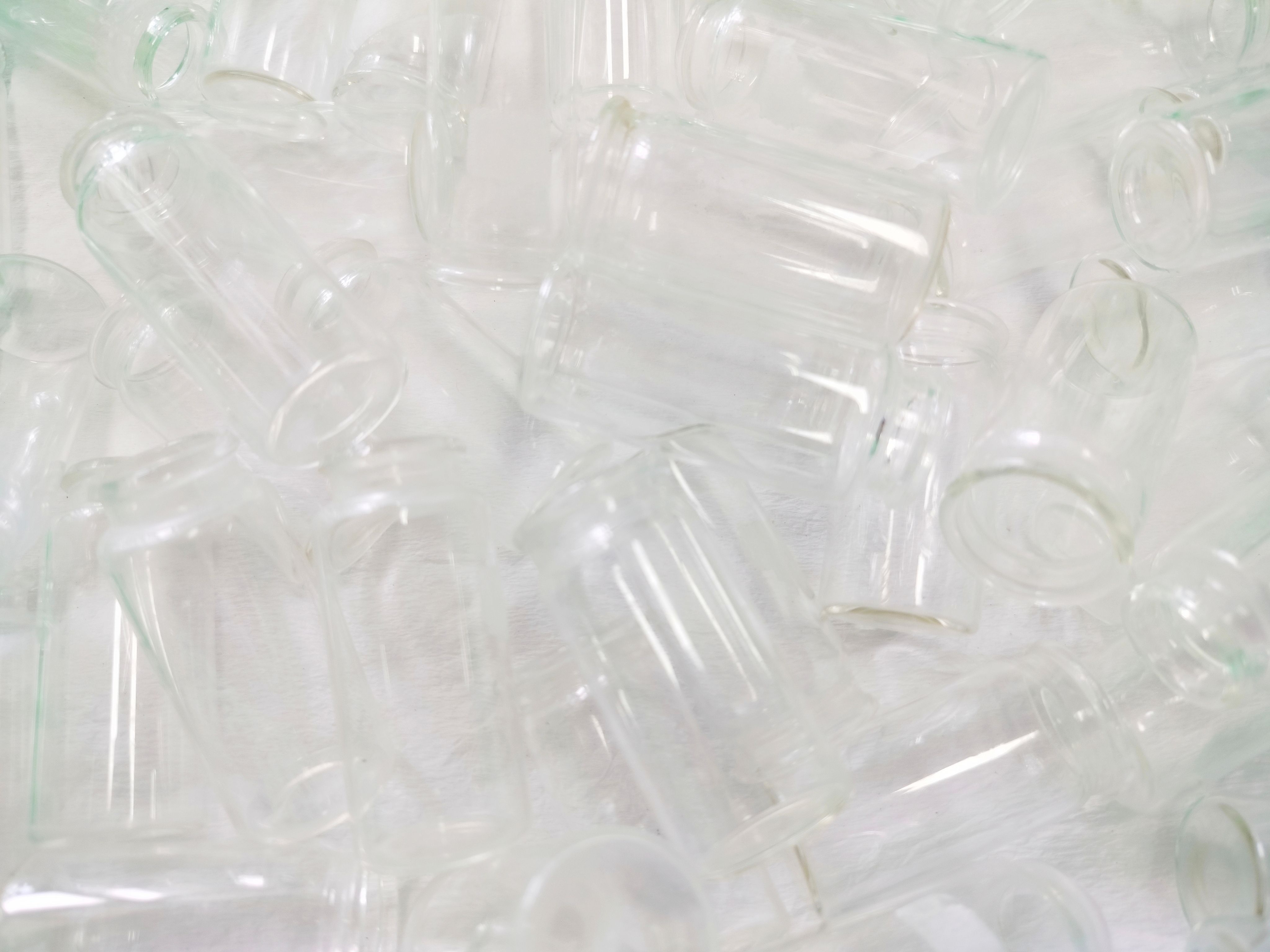
Architects and builders have long recognized the potential of glass as a durable building material. With advancements in technology, glass is now used in skyscrapers, facades, and even floors. Structural glass is reinforced to support heavy loads and withstand environmental stressors, making it a vital component of modern architecture.
The use of glass in buildings not only enhances aesthetics but also improves energy efficiency through natural lighting. This demonstrates that glass is not just a fragile material, but a strong, versatile, and sustainable option.
Final Thoughts
Understanding the true capabilities of glass can change how we perceive this remarkable material. From its use in everyday items to its role in cutting-edge architecture, glass is far more than meets the eye. By debunking these common myths, we can appreciate the innovation and engineering that make glass a safe and durable choice for countless applications.
As technology continues to evolve, so too will the applications and strength of glass, ensuring its place as a vital material in our daily lives and future developments.