The Benefits of Using Cutting-Edge Technology in Glass Design


Introduction to Modern Glass Design
In recent years, the glass design industry has witnessed a significant transformation, driven by the adoption of cutting-edge technology. This evolution has not only enhanced the aesthetic appeal of glass products but also improved their functionality and sustainability. From architectural marvels to everyday items, modern glass design is reshaping the way we interact with our environment.
Enhanced Aesthetic Appeal
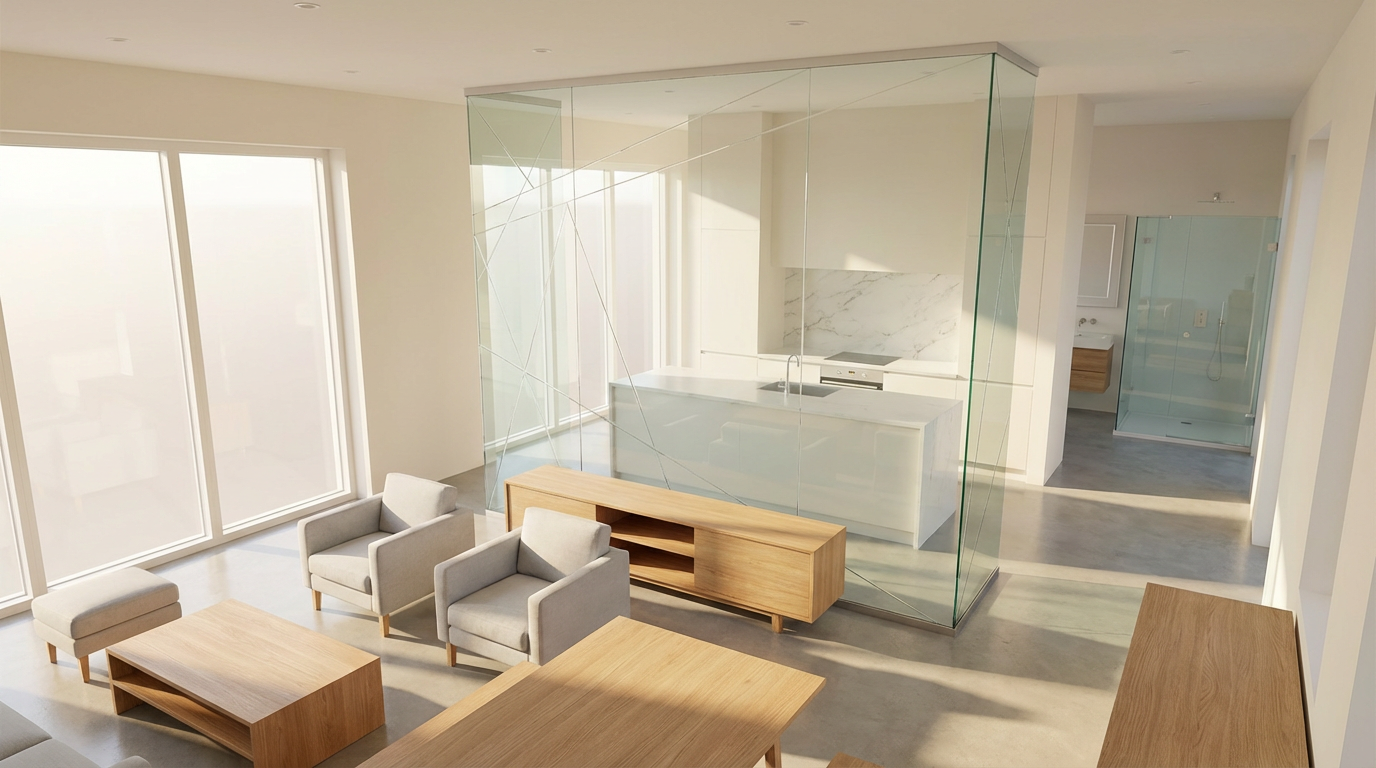
One of the most noticeable benefits of using advanced technology in glass design is the enhanced aesthetic appeal. With innovations such as digital printing and laser engraving, designers can now create intricate and personalized patterns on glass surfaces. This allows for a greater level of customization, catering to diverse tastes and preferences.
The ability to incorporate vivid colors and complex designs has transformed glass into a canvas for artistic expression. Architectural projects, in particular, have benefited from these advancements, leading to stunning facades and interiors that captivate onlookers.
Improved Functionality
Beyond aesthetics, cutting-edge technology has significantly improved the functionality of glass products. Smart glass, for example, is a revolutionary development that allows glass to change its properties in response to environmental conditions. This means that windows can now adjust their tint based on sunlight, enhancing energy efficiency and comfort.

Additionally, innovations in glass coatings have led to products that are more durable and resistant to scratches and smudges. These advancements extend the lifespan of glass items, making them more cost-effective in the long run.
Sustainability and Environmental Impact
The integration of technology in glass design also supports sustainability efforts. Modern manufacturing processes are more environmentally friendly, utilizing less energy and producing less waste. Technologies like tempered and laminated glass contribute to energy efficiency by improving insulation, reducing the need for artificial heating and cooling.
Recycling and reusing glass have become more feasible due to advancements in processing technologies. This not only conserves resources but also minimizes the environmental footprint of glass production.

Safety and Security Enhancements
Technological advancements have also made glass products safer and more secure. Laminated glass, for example, is designed to hold together when shattered, reducing the risk of injury from sharp shards. Bulletproof and fire-resistant glass are other examples of how technology enhances safety, providing peace of mind in a variety of settings.
Conclusion
The benefits of using cutting-edge technology in glass design are vast and varied, ranging from aesthetic enhancements to improved functionality and sustainability. As technology continues to evolve, the future of glass design holds exciting possibilities, promising even more innovative and beneficial applications.