The Future of Glass in Architecture: Trends and Innovations to Watch


Introduction to Glass in Modern Architecture
Glass has long been a favored material in architecture, celebrated for its ability to transform spaces with light and transparency. In recent years, the use of glass has evolved remarkably, driven by technological advancements and innovative design concepts. As we look to the future, the role of glass in architecture continues to expand, offering exciting possibilities that push the boundaries of creativity and functionality.
Advancements in Smart Glass Technology
One of the most significant trends in architectural glass is the rise of smart glass technology. This innovative material can change its properties in response to environmental stimuli, such as light or temperature. Smart glass can automatically tint to reduce glare and heat gain, improving energy efficiency and comfort within buildings. This technology not only enhances sustainability but also offers architects greater flexibility in design.
Dynamic Facades
Smart glass is paving the way for dynamic facades that can adapt to changing weather conditions and user preferences. These facades can help regulate indoor temperatures and lighting, significantly reducing the need for artificial heating, cooling, and lighting systems. As a result, dynamic facades are becoming a popular choice for eco-conscious architects and developers.

Innovative Structural Glass Applications
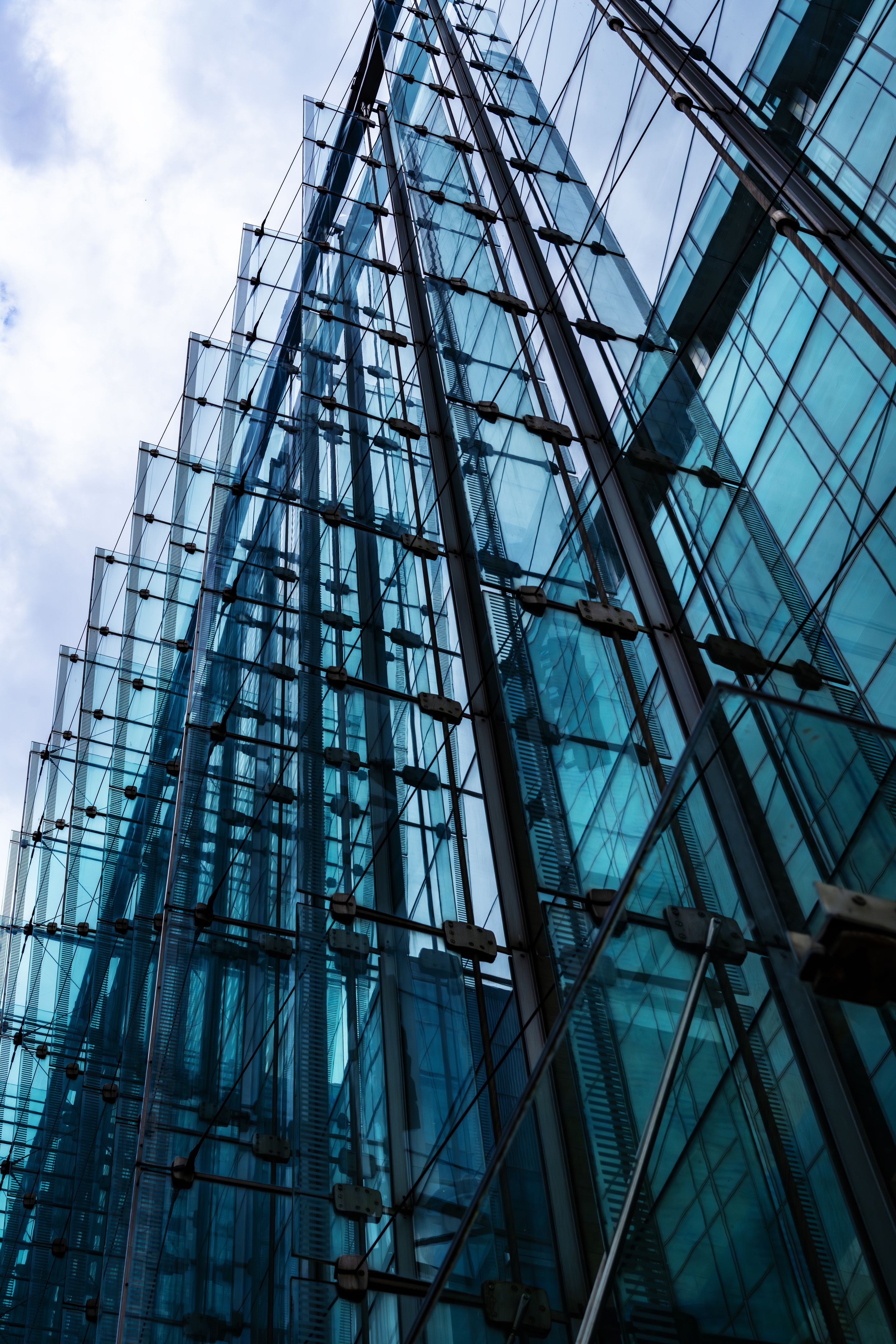
Beyond smart glass, structural glass is also making waves in the architectural world. This type of glass is engineered to bear loads and provide structural support, enabling architects to create transparent structures that were once thought impossible. From glass floors to entirely transparent buildings, structural glass offers a new level of aesthetic appeal and functionality.
Seamless Connections
Architects are increasingly using structural glass to create seamless connections between indoor and outdoor spaces. This trend is particularly evident in residential design, where homeowners seek to blend the boundaries between their interiors and natural surroundings. The use of structural glass in this way not only enhances visual appeal but also improves the overall living experience by providing unobstructed views and increased natural light.
The Rise of Sustainable Glass Solutions
As sustainability becomes a central focus in architecture, the demand for eco-friendly glass solutions is on the rise. Manufacturers are developing glass products that incorporate recycled materials and require less energy to produce. These sustainable options are becoming more prevalent in both commercial and residential projects, aligning with global efforts to reduce carbon footprints.
Energy-Efficient Designs
Energy-efficient glass designs, such as low-emissivity (Low-E) coatings, are increasingly popular. These coatings help to minimize heat loss in colder months and reduce heat gain during warmer periods, thus enhancing the energy performance of buildings. By integrating these technologies, architects can design structures that are not only visually stunning but also environmentally responsible.
The Future of Glass in Architecture
Looking ahead, the future of glass in architecture is filled with potential. Innovations such as self-cleaning glass and enhanced insulation properties are on the horizon, promising to further elevate the role of glass in building design. Additionally, advancements in 3D printing and laser technology may soon allow for even more intricate and customized glass structures.
As these trends and innovations continue to develop, architects and designers are poised to explore new realms of possibility with glass. By embracing these cutting-edge materials and technologies, the next generation of buildings will not only be more beautiful and functional but also contribute positively to our environment and quality of life.